

Have you ever wondered what marine biologists do? These ocean-loving adventurers spend their days exploring the vast blue seas, uncovering the mysteries of marine life, and contributing to our understanding of the underwater world. It’s a career that screams “adventure!” but also demands a deep commitment to scientific research and environmental conservation. From studying tiny plankton to observing massive whales, marine biologists work tirelessly to ensure that our oceans—and the creatures that call them home—thrive.
In this article, we’ll dive into the daily life of marine biologists, answer some burning questions, and uncover what it takes to be a true guardian of the sea. So grab your snorkel and let’s explore!
Discover what do marine biologists do as they explore oceans, study marine life, and protect delicate ecosystems. Learn more about the daily life of these ocean explorers!
What Do Marine Biologists Do?
Marine biologists wear many hats (or should we say wetsuits?). But at the heart of their work is the study of life beneath the waves. They study a wide range of organisms, from microscopic plankton to the largest whales. Marine biologists often work on the following tasks:
- Research and Study of Marine Life
- Much of a marine biologist’s work revolves around research. They observe, document, and study the behavior, physiology, and habitats of marine species. From dolphins and turtles to coral reefs and sea grasses, marine biologists work to understand how these species interact with their environment.
- Environmental Conservation
Many marine biologists focus on conservation efforts. This can include anything from studying the impacts of climate change on marine ecosystems to working with government agencies on protected areas. They might be involved in restoration projects like planting mangroves or repopulating coral reefs. - Collecting Data
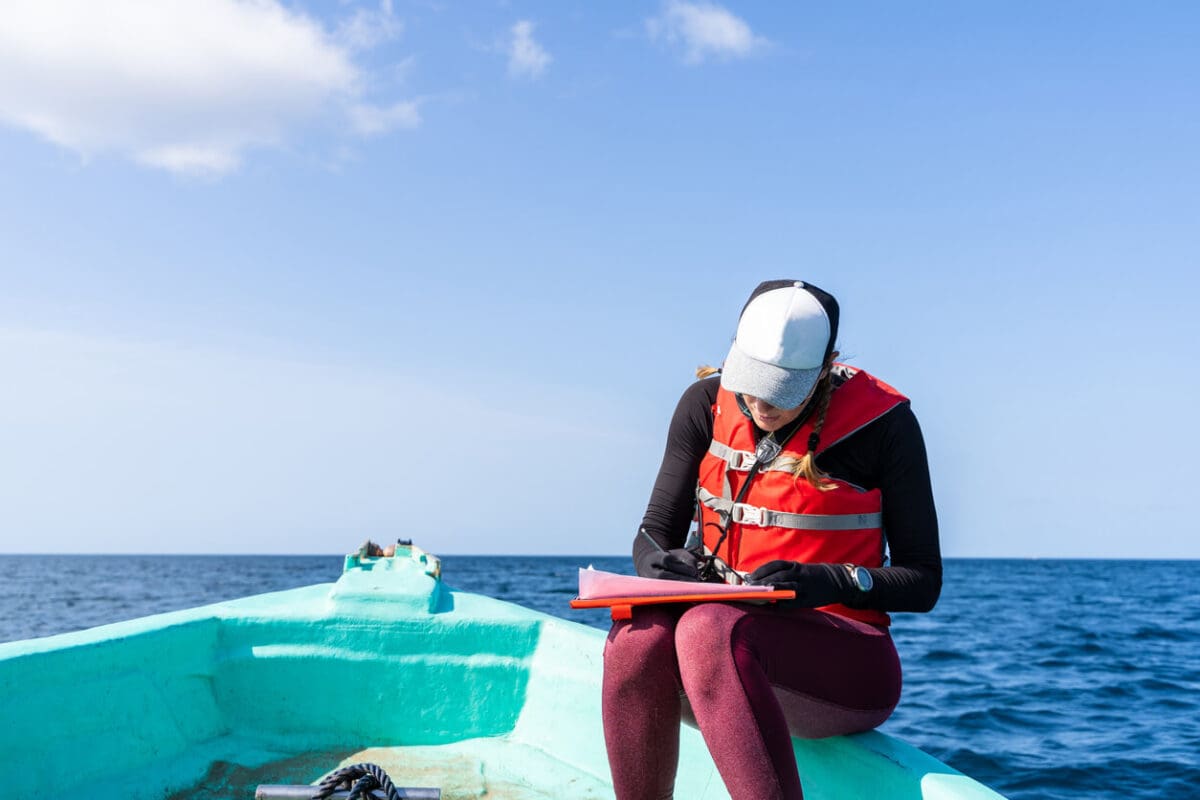
Marine biologists are often out in the field—whether it’s aboard a research vessel or diving underwater—collecting samples and data. This can include water quality testing, population counts, or tracking migration patterns using satellites and tags. - Lab Work and Data Analysis
After the fieldwork, it’s back to the lab to analyze all that data. Marine biologists spend a significant amount of time crunching numbers, running experiments, and drawing conclusions from their observations. - Public Education and Advocacy
Many marine biologists also focus on educating the public about the importance of ocean health. This can involve writing articles, giving presentations, or even working with aquariums and museums to raise awareness about marine life.
A Typical Day in the Life of a Marine Biologist
One thing’s for sure: no two days are the same when you’re a marine biologist! Depending on their specific focus, marine biologists might find themselves doing very different things each day. Here’s a peek at what a typical day could look like:
- Morning at the Lab
After grabbing some coffee, it’s time to head to the lab to check on the latest experiment or analyze yesterday’s samples. Maybe you’re studying water salinity levels or looking at how coral responds to rising ocean temperatures. - Fieldwork in the Afternoon
After the lab, it’s time to hit the field! Depending on your focus, you might be tagging sea turtles to track their migration or diving to collect samples from a coral reef. Fieldwork can involve long hours, but it’s an exhilarating part of the job. - Data Crunching in the Evening
Once you’re back from the field, it’s time to input all the data you’ve gathered. This might involve using complex software to analyze trends, run statistical tests, and interpret what the data is telling you. - Advocacy and Outreach
Some days, you might wrap up by giving a talk at a local school or working on a blog post about your latest discovery. Public outreach is a key part of what marine biologists do, as it’s crucial to raise awareness about marine conservation.
How to Become a Marine Biologist
So, you want to become a marine biologist? Awesome! Here’s a general roadmap to get you there:
1. Earn a Bachelor’s Degree
Start by earning a bachelor’s degree in marine biology, biology, or a related field. Courses in ecology, oceanography, and environmental science are great places to begin.
2. Gain Field Experience
Volunteer opportunities, internships, and summer programs will give you hands-on experience working with marine animals and ecosystems.
3. Consider Advanced Degrees
Many marine biologists continue their education by earning a master’s degree or PhD in a specific area of marine biology. Specialization can be in areas such as marine mammalogy, coral reef ecology, or fishery management.
4. Develop Skills in Research and Data Analysis
Success in marine biology often depends on a strong foundation in research methods and data analysis. The ability to gather and interpret complex data sets is a must.
5. Be Ready for Adventure
Marine biology isn’t always glamorous—some days you’re on a boat for hours, or working in a lab late into the night—but for those who love the ocean, it’s an incredibly rewarding career.
Why Is Marine Biology So Important?
Our oceans cover more than 70% of the Earth’s surface, yet so much of it remains unexplored. Marine biology plays a crucial role in understanding this vast, complex environment. By studying marine life, we can:
- Protect Endangered Species
Marine biologists work tirelessly to monitor endangered species like sea turtles, sharks, and manatees. Their research helps shape conservation policies and protect these animals from extinction. - Tackle Climate Change
Marine ecosystems are at the forefront of the battle against climate change. Coral reefs, for example, are vital to maintaining ocean biodiversity, but they’re extremely vulnerable to warming waters. Marine biologists are on the front lines of finding solutions. - Preserve Biodiversity
From tiny plankton to the largest whales, every organism in the ocean plays a role in its ecosystem. By understanding these roles, marine biologists help ensure that our oceans remain healthy and biodiverse.
Salary Expectations and Job Growth
What Can Marine Biologists Expect to Earn?
Marine biologists’ salaries can vary based on their specialty, education level, and experience. While those in academia and research institutions may earn lower starting salaries, experienced marine biologists in consulting or industry roles can see higher pay.
Here’s an approximate salary breakdown:
- Median Salary: $62,290 per year
- Top 10%: Over $99,700 annually
- Entry-Level (Bottom 10%): Around $39,620 per year
Although the job market for marine biologists is competitive, especially in government roles, the need for environmental conservation and sustainability practices ensures continued demand for these skilled professionals.
How to Get Started in Marine Biology
Taking the First Steps Towards a Marine Biology Career
- Internships: Seek opportunities for hands-on learning through internships at marine research facilities or conservation organizations.
- Networking: Connect with professionals in the field, attend conferences, and join marine biology organizations to stay updated on job openings.
- Advanced Education: Pursue a Master’s or Ph.D. to enhance your research opportunities and potential earnings.
Marine biology is not just a career—it’s a way of life for those passionate about the ocean and its inhabitants. Whether through research, teaching, or conservation, marine biologists play an essential role in understanding and protecting our planet’s most mysterious frontier: the ocean.
FAQs
Q1: What kinds of animals do marine biologists study?
Marine biologists study a wide range of animals including whales, dolphins, fish, sea turtles, corals, and even microorganisms like plankton.
Q2: Do marine biologists only work in the ocean?
Nope! Marine biologists work in various environments such as estuaries, wetlands, and even aquariums and research labs on land.
Q3: Can marine biologists help save endangered species?
Yes, marine biologists play a vital role in conservation efforts, from research to policy-making, all aimed at protecting endangered marine species.
Q4: What is the biggest challenge facing marine biologists today?
One of the biggest challenges is climate change, which is affecting ocean temperatures, sea levels, and the health of marine ecosystems like coral reefs.
Conclusion
So, what do marine biologists do? They’re the ocean’s protectors, researchers, and advocates. Their work spans everything from diving deep into the ocean to study marine life to working in labs analyzing crucial data. While their jobs are varied, their mission is unified: to preserve and protect the life within our oceans. It’s a career that’s both challenging and immensely rewarding for those passionate about the sea.
Whether they’re studying whales or advocating for marine conservation, marine biologists play an essential role in helping us understand and safeguard the underwater world. So the next time you’re at the beach or watching a documentary about the ocean, remember the marine biologists who make it their life’s work to ensure those waters stay vibrant and full of life!