
After years covering fashion, lifestyle and consumer trends across Australia and New Zealand, you get a bit immune to sparkle. Another collection launch, another “ethical promise”, another buzzword that fades by next season. But a few months ago, while researching shifts in the fine jewellery market, I stumbled into something that felt… different. Grounded. Quietly confident.
That’s how I found myself digging into the lab grown diamonds Novita NZ story, and wondering why more people weren’t talking about it.
This isn’t a hype piece. It’s not a manifesto either. It’s simply the story of how lab-created stones have moved from fringe curiosity to serious contender — and how one New Zealand brand has helped reshape how modern couples think about value, ethics and beauty.
The Moment Diamonds Started Changing (Whether We Noticed or Not)
You might not know this, but diamonds have been having a bit of an identity crisis.
For decades, the narrative barely shifted: mined stones equalled rarity, romance and worth. Everything else was “alternative”. But behind the scenes, consumers — especially in Australia and NZ — started asking tougher questions. Where did this stone come from? Who touched it before me? What’s the environmental cost?
I remember a jeweller in Melbourne telling me years ago, off the record, “People don’t ask about carats first anymore. They ask about conscience.”
That’s where lab created diamonds stepped in.
Not as a cheaper knock-off. Not as a trend. But as a genuine rethink of how luxury could exist without the baggage.
What Lab Created Diamonds Really Are (And Aren’t)
Let’s clear something up straight away.
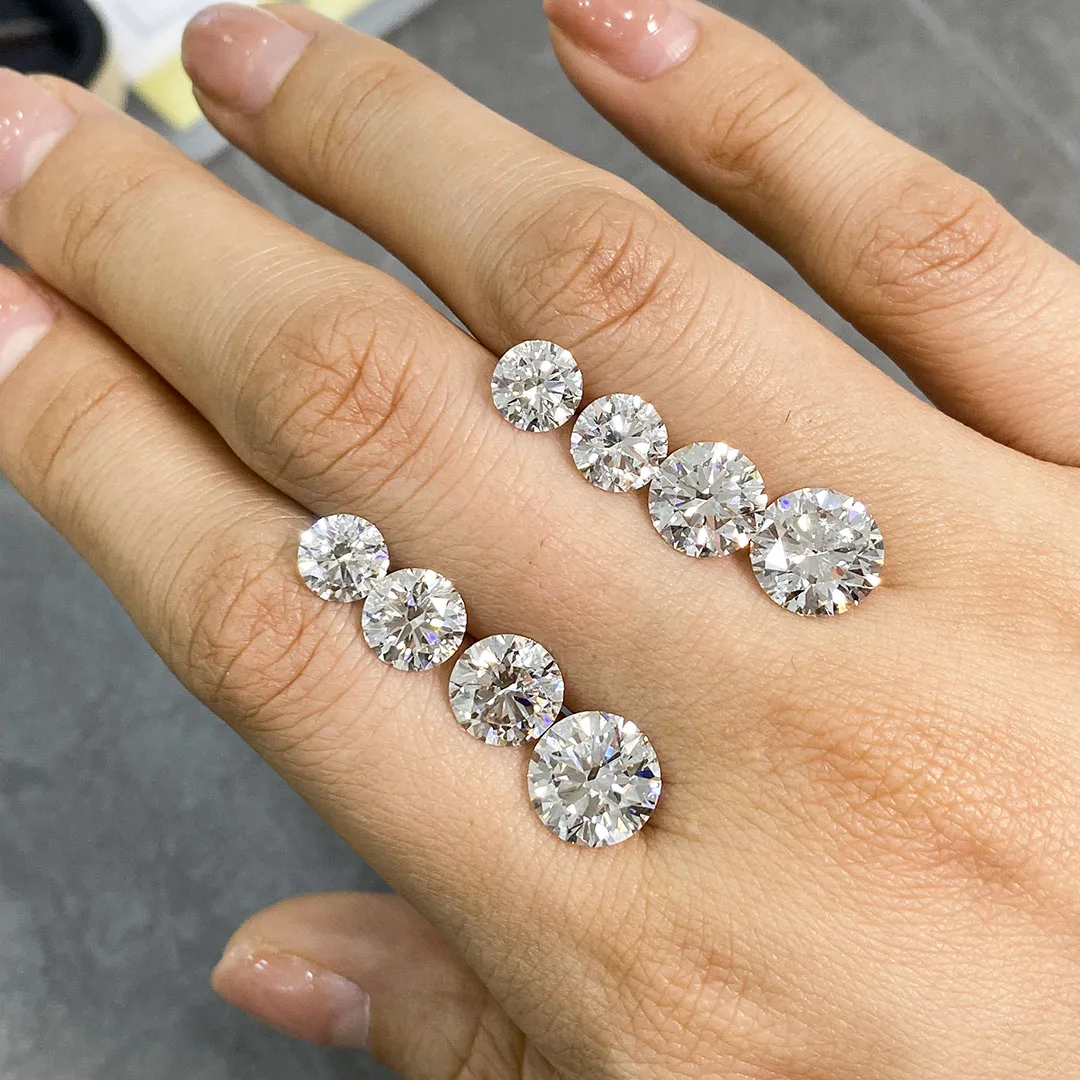
Lab created diamonds are real diamonds. Same chemical composition. Same optical properties. Same durability. The only difference is their origin — grown in controlled laboratory environments rather than pulled from the earth.
Honestly, I was surprised to learn how many people still think they’re imitation stones. They’re not cubic zirconia. They’re not moissanite. They’re not “diamond-like”.
They are diamonds. Period.
The science behind them has been around for decades, originally used for industrial purposes. What’s changed is refinement. Today’s lab-grown stones meet the same grading standards as mined diamonds, certified by the same gemological institutes.
And yes — even trained gemologists need specialised equipment to tell them apart.
Why Australia and New Zealand Took to Lab Grown Diamonds So Naturally
If you look at consumer behaviour in our part of the world, this shift makes sense.
Australians and Kiwis are pragmatic buyers. We like quality, but we don’t love waste. We’ll pay for craftsmanship, but we expect transparency. And increasingly, we’re allergic to brands that overpromise and underdeliver.
Lab grown diamonds sit neatly in that mindset.
They offer:
- Traceability without awkward questions
- Significantly lower environmental impact
- Better value per carat
- Ethical clarity (no conflict sourcing concerns)
And perhaps most importantly — they let couples invest in design, not just the stone.
That’s where Novita Diamonds quietly built its following.
Discovering the Novita Approach (And Why It Feels Different)
When I first explored the lab grown diamonds Novita NZ story, I expected the usual brand storytelling — polished, aspirational, slightly vague.
Instead, what I found was refreshingly straightforward.
Novita didn’t start as a disruptor with a megaphone. It started as a response to a simple gap: people wanted high-quality diamonds without compromise — ethical, environmental or financial.
Founded with a direct-to-consumer model, Novita stripped away layers that traditionally inflate jewellery pricing. No unnecessary middlemen. No mystery sourcing. Just transparency, craftsmanship and choice.
There’s something very Australasian about that approach. Less theatre. More substance.
Design Freedom: The Quiet Advantage No One Talks About Enough
Here’s a detail that often gets overlooked in conversations about lab-grown stones: design freedom.
Because lab created diamonds typically cost less than their mined counterparts, customers aren’t forced into trade-offs. Instead of choosing between size and setting, they can prioritise both.
I’ve spoken to couples who:
- Upgraded carat size without stretching budgets
- Invested in custom settings they couldn’t previously afford
- Chose rare shapes or higher colour grades “just because they could”
One woman I interviewed in Sydney said, “For the first time, the ring felt designed for me, not the other way around.”
That sentiment comes up again and again.
A Shift in What “Luxury” Means Now
Luxury used to be about exclusivity. About owning something others couldn’t.
But that definition is shifting — especially among millennials and Gen Z buyers.
Today, luxury is about intention. About alignment. About choosing something that reflects your values without shouting about it.
Lab grown diamonds fit that new definition beautifully.
They don’t scream status. They quietly say, “I thought this through.”
And brands like Novita understand that restraint.
The Emotional Side of Ethical Choice (It’s Bigger Than Marketing)
One thing I didn’t expect while researching this space was how emotional these decisions can be.
People talk about lab-grown stones as if the choice is purely rational — cost, ethics, sustainability. But there’s something deeper happening.
Choosing a lab-created diamond often feels like opting out of an old system. One that didn’t always sit comfortably with modern values.
There’s relief in that choice.
A sense of starting something meaningful without inherited complications.
As a journalist, you learn to pay attention when emotion consistently appears in interviews. It’s usually a sign that the story runs deeper than the product.
Addressing the Elephant in the Room: Resale and Perceived Value
Let’s talk honestly.
Yes, lab created diamonds currently have different resale dynamics than mined stones. That’s often raised as a concern.
But here’s the thing — most people don’t buy engagement rings as financial assets. They buy them as symbols. As wearable memories.
And when you consider:
- The lower upfront cost
- The ability to choose higher specs
- The ethical clarity
For many couples, resale becomes irrelevant.
One groom told me, half-joking, “If we’re selling the ring, we’ve got bigger problems.”
Fair point.
Media, Fashion and the Normalisation of Lab Grown Diamonds
If you follow fashion or red-carpet culture closely, you’ve probably noticed something interesting over the past few years.
Celebrities are wearing lab-grown diamonds openly. Stylists are specifying them in editorials. Luxury publications are covering them without caveats.
This isn’t fringe anymore.
Lab-created stones have crossed the cultural threshold — and once that happens, momentum tends to build quietly but permanently.
Australia and New Zealand, with their strong sustainability conversations, were always going to be part of that shift.
Why This Matters Beyond Jewellery
Here’s where I’ll zoom out for a moment.
The rise of lab grown diamonds isn’t just about rings or necklaces. It’s part of a broader consumer recalibration.
We’re questioning:
- Where things come from
- Who benefits from our purchases
- Whether tradition still deserves automatic loyalty
In that context, jewellery becomes symbolic. Choosing differently sends a message — even if it’s a quiet one.
That’s why stories like Novita’s resonate. They reflect a broader cultural movement rather than trying to manufacture one.
A Thought on Gifting and Modern Relationships
I came across an interesting perspective while researching anniversary and milestone gifting. One article discussing lab created diamonds framed them not as replacements, but as evolutions — stones that align with how relationships look today.
Partnerships are more equal. Conversations are more open. Decisions are often shared.
In that environment, choosing a lab-grown diamond can feel like a mutual statement rather than a unilateral surprise.
That feels… healthier, honestly.
Where I Landed After All This Research
After months of interviews, reading, and quietly observing how this space is evolving, here’s my takeaway:
Lab grown diamonds aren’t trying to erase the past. They’re offering an alternative future.
And brands like Novita aren’t selling rebellion — they’re selling clarity.
For Australian and New Zealand consumers who value transparency, design and ethical confidence, that combination is powerful.
I don’t think mined diamonds are disappearing anytime soon. But I do think the question has changed.
It’s no longer “Are lab-grown diamonds good enough?”
It’s “Why wouldn’t you at least consider them?”
Final Thoughts (The Human Bit)
If there’s one thing I’ve learned covering lifestyle trends over the years, it’s this: the choices that stick are rarely the loudest ones.
They’re the ones that feel right when the excitement fades.
The lab grown diamonds Novita NZ story isn’t flashy. It doesn’t need to be. It reflects a quieter confidence — the kind that comes from knowing you’ve made a thoughtful choice, not just a traditional one.