Ever wandered into a jewelry store, eyes glazing over at rows of sparkling stones, and thought, “Wait… what’s even the difference between all these shiny things?” Honestly, you’re not alone. Between moissanita, lab diamonds, and the traditional real deal, it can feel like you need a PhD in gemstones just to make sense of it all. Let’s dive in—no boring lecture, I promise—and talk about moissanita desventajas, lab diamonds, and what actually matters when you’re choosing that “forever” piece.
Background: How We Got Here
So, moissanite. Fun fact: it was first discovered in a meteor crater. Yeah, a real-life space rock gave us this gem. Sounds dramatic, right? But let’s be honest, not everything that comes from space is perfect. Moissanite is lab-grown now, which is great because it’s affordable and sparkly as heck. But here’s the kicker: it’s not a diamond. People notice. Sometimes.
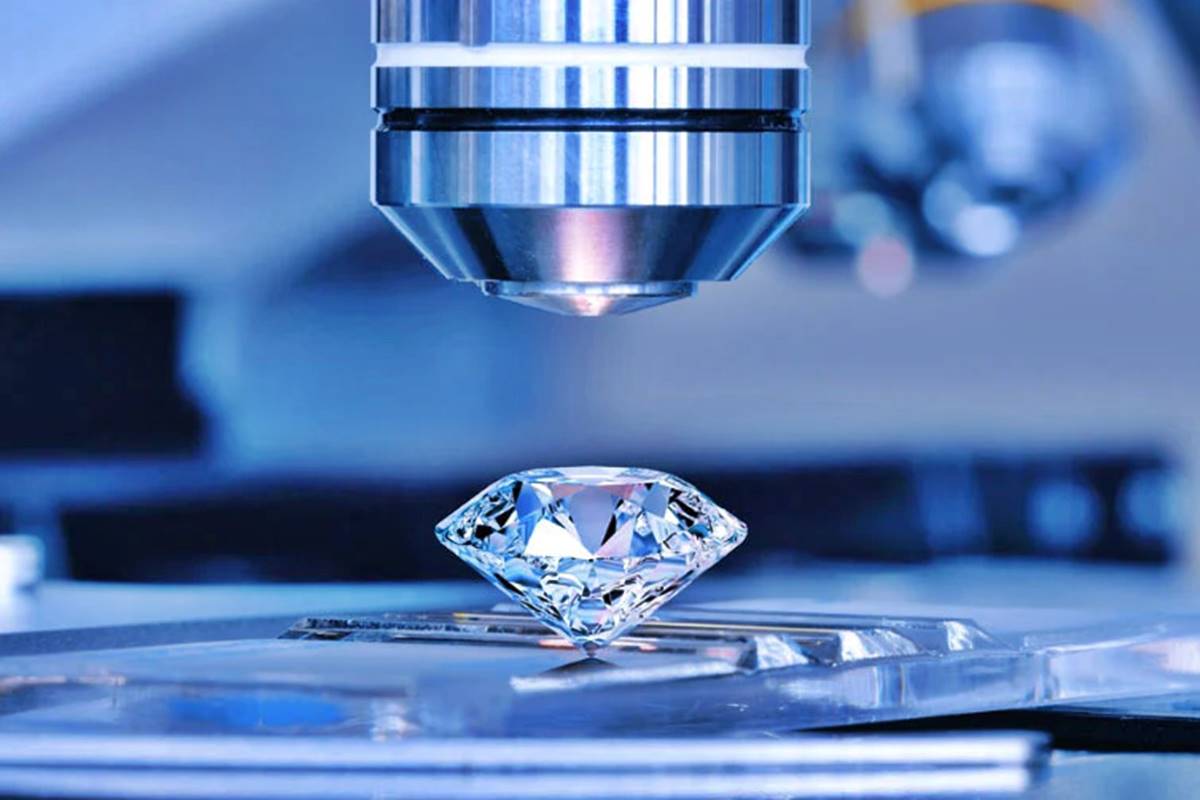
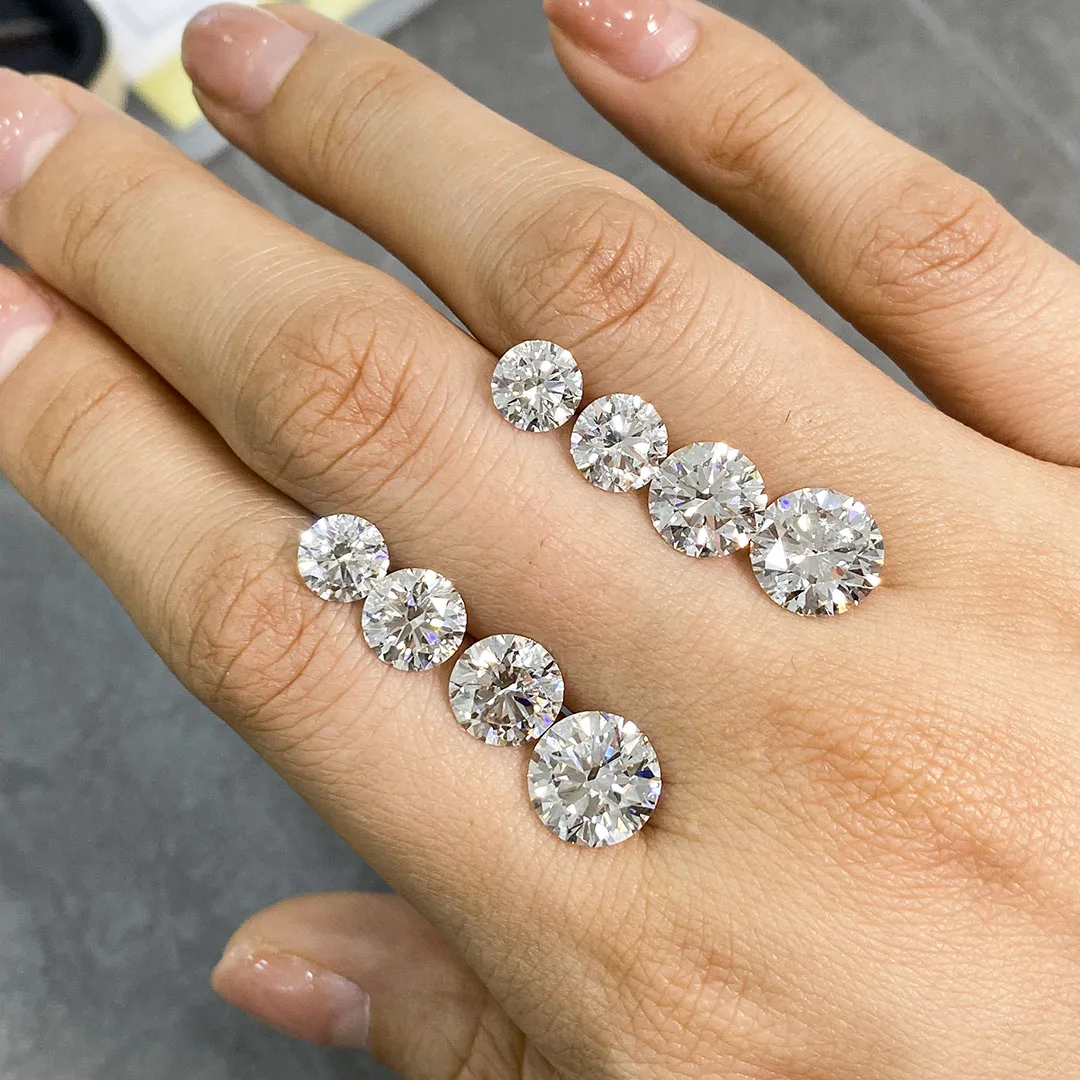
Lab diamonds, on the other hand, are essentially the same as mined diamonds. Chemically, physically, even visually, they’re the real deal. Just grown in a lab instead of plucked from the earth. Some folks love the eco-friendly vibe. Others? They’re worried it’s “too synthetic.” Honestly, it’s all a matter of perspective.
Here’s a scenario: imagine you’re at brunch with friends, and someone notices your sparkler. They ask if it’s a diamond. You say, “Well… technically, yes… but also kind of a lab baby.” Cue awkward pause. It happens more than you think.
Options, Trends, and Advice
Okay, let’s get practical. If you’re in the market for sparkle, here’s the lowdown on the main options:
-
Moissanite
-
Pros: Crazy brilliance. Cheaper than both lab and natural diamonds. Durable. Eco-friendly.
-
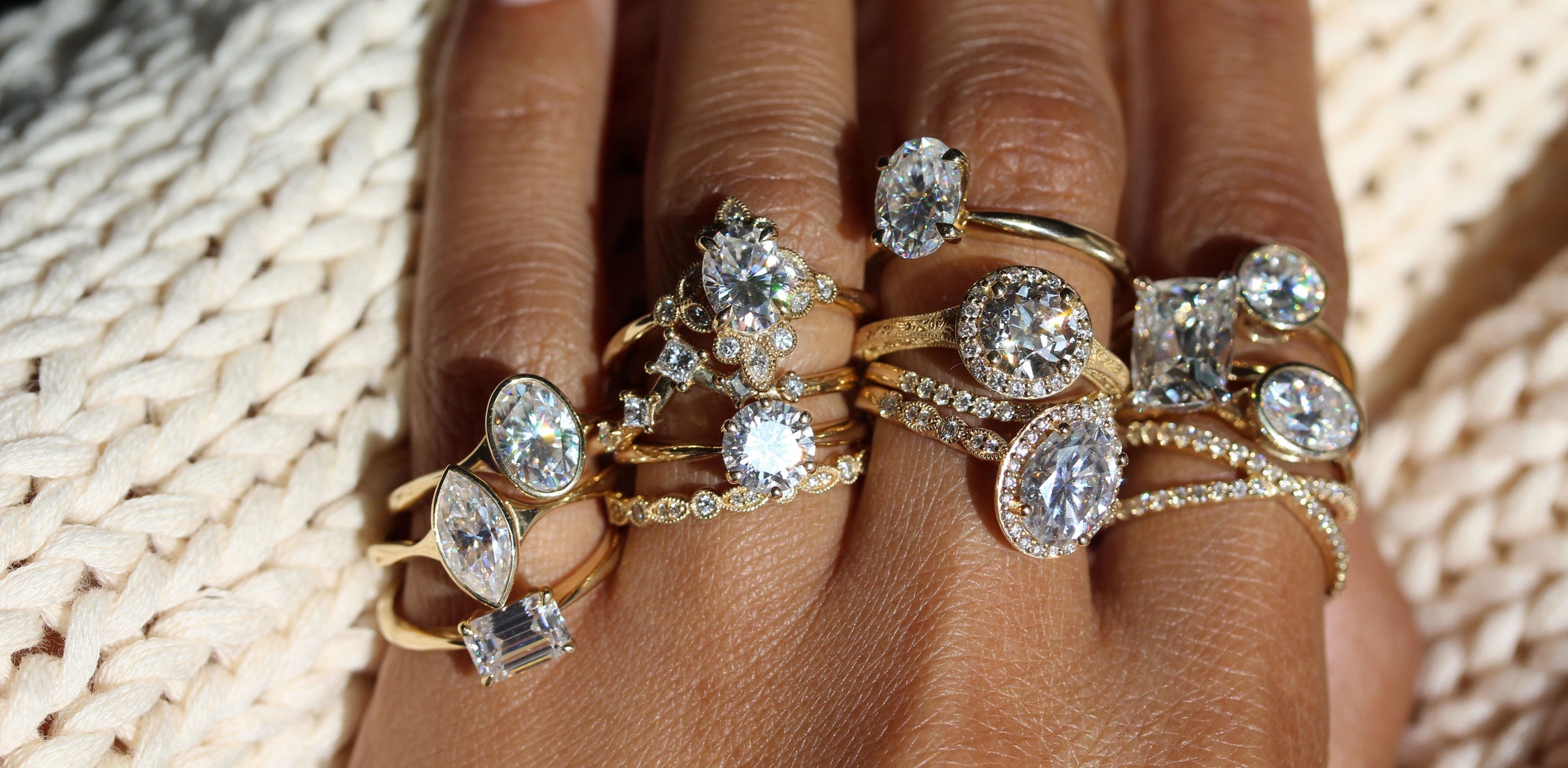
Cons (aka moissanita desventajas): Can look a bit “too sparkly” under certain lights. Slight rainbow effect that some people don’t love. Less traditional for engagement rings.
-
Example: Imagine a ring that catches every bit of sunlight—basically a disco on your finger. Gorgeous, but maybe a little extra.
-
-
Lab Diamonds
-
Pros: Real diamond chemistry. Same hardness and clarity. More affordable than mined diamonds. Ethical and eco-friendly.
-
Cons: Pricey compared to moissanite. Still not “natural,” which might bug purists.
-
Example: A lab diamond is like getting a perfectly ripe avocado from the store. Looks and feels the same, but someone grew it in a controlled environment.
-
-
Mined Diamonds (for comparison)
-
Pros: Traditional. High resale value. Timeless appeal.
-
Cons: Expensive. Ethical concerns with mining. Environmental impact.
-
Example: Think of it as a vintage wine—it has a history, a story, and people swear by it.
-
Trend alert: more people are leaning toward lab diamonds because they want the authenticity of a diamond without the moral and environmental baggage. Moissanite is catching on too, but mostly among those who love sparkle above all else.
Local Angle: Why Your Choice Matters Here
Now, let’s bring it closer to home. If you’re shopping in your city—say, New York, Los Angeles, or even a smaller town—you might be surprised at the differences. Local jewelers often have unique relationships with suppliers. Some specialize in lab diamonds, others in moissanite.
Here’s the weird part: depending on where you are, people’s reactions vary. In big cities, moissanite might fly under the radar because everyone’s seen one. In smaller towns? Someone might actually ask, “Is that a diamond?” It’s subtle, but it matters if you’re thinking about social perception.
Plus, local trends can affect pricing. A lab diamond might cost slightly less in a tech-heavy city that values sustainability. Moissanite? Sometimes it’s cheaper at chain stores but can get pricey at boutique shops.
Observation: people rarely talk about it, but buying local often gives you a chance to see the stone under different lights. Side-by-side, you can notice the rainbow flashes in moissanite or the more subdued sparkle of lab diamonds. Tiny detail, huge difference when it comes to love at first sight… of a ring.
Process: How It Works (Without Making You Nod Off)
Curious about how these gems come to be? Let’s break it down step by step—short, casual style:
Moissanite:
-
Labs start with silicon carbide. Fancy words, simple idea.
-
Heat it. Pressure it. Voila—moissanite crystals form.
-
Cut and polish. (Yes, humans still handle the bling.)
-
Ship it to stores. You buy. Sparkle begins.
Lab Diamonds:
-
Either High Pressure High Temperature (HPHT) or Chemical Vapor Deposition (CVD). Don’t worry, you don’t need to memorize this.
-
Carbon atoms get arranged into a diamond lattice. Translation: real diamond, grown in lab.
-
Cut, polish, inspect. Certified, just like the mined ones.
-
You wear it. Brag a little.
Quick tip: always check certifications. Lab diamonds usually come with GIA or IGI certificates. Moissanite has its own grading, but it’s less standardized. It’s a small step that avoids big regrets.
Why Moissanite Desventajas Matter
Let’s get real. Moissanite desventajas aren’t deal-breakers for everyone. But you should know them. It’s about expectations.
-
The sparkle is different: Some people say it’s more “rainbow-y.” Others love it. Depends on your taste.
-
Resale value: Not as high as a lab diamond. You can’t exactly pawn it for big bucks.
-
Tradition: Engagement rings are loaded with cultural expectations. Some might raise an eyebrow.
Honestly, if you love bling and are budget-conscious, moissanite can be a total win. Just be aware that it might not fool a jeweler or an expert.
Bottom Line
Choosing between moissanite and lab diamonds isn’t just a math problem. It’s emotional, ethical, and yes… sometimes social. To be fair, lab diamonds are closer to the “real” diamond experience but come at a higher cost. Moissanite gives you sparkle for less money and is environmentally friendly—but there are moissanita desventajas you can’t ignore if perfection matters to you.
In the end, pick what makes you happy. Let your ring tell your story, not someone else’s checklist. Lab-grown, moissanite, mined diamond… they all have their charm. But remember: a gem shines brightest when it feels right to you.
So next time someone asks, “Is that a diamond?” just smile and say, “Yes… and yes, in its own special way.”